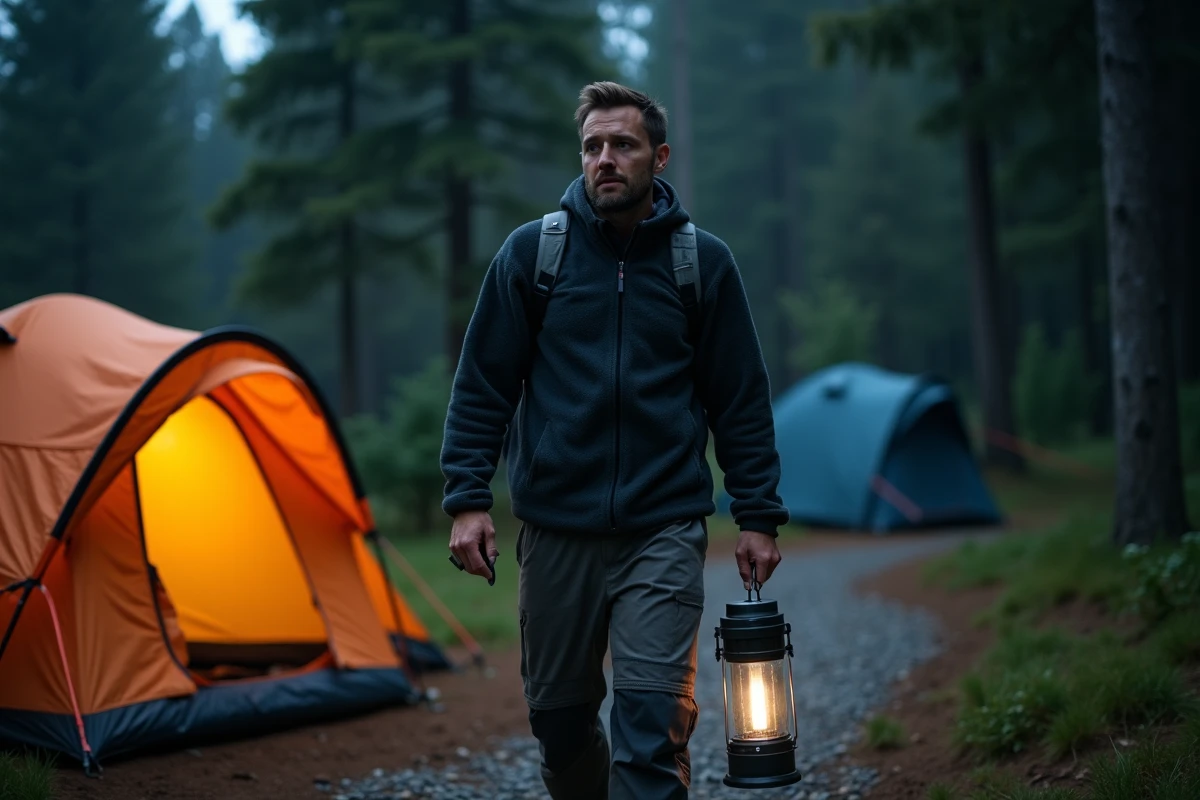
Managing a pressing need in the middle of the night, whether in a tent or in a camper van, presents a very real problem that every camper eventually faces. The question is not whether it will happen, but which device best minimizes discomfort, exposure time to the cold, and impact on sleep.
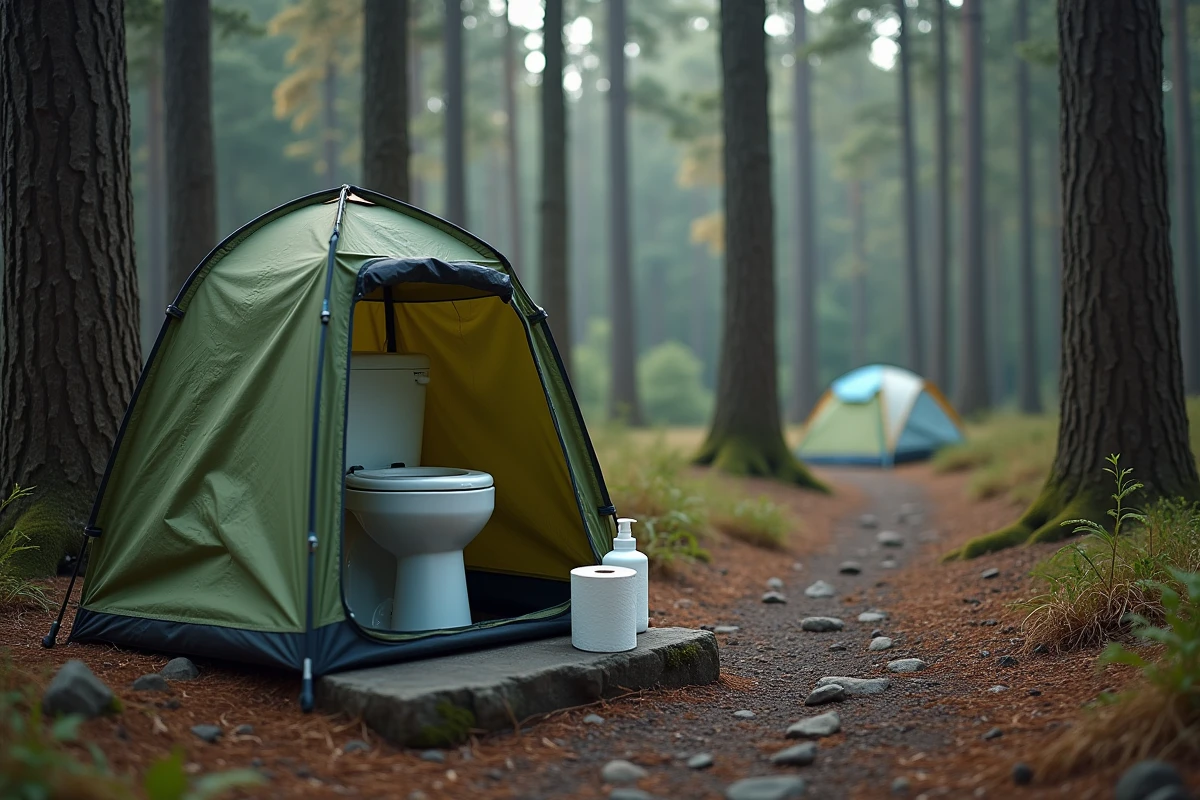
Several solutions coexist, from a simple DIY bucket to a female urination device, including portable chemical toilets. Their performance varies depending on the type of camping, the season, and the number of people involved.
Portable toilets, bucket or urination device: a comparison of nighttime camping solutions
The choice of a device for urinating at night while camping depends on criteria that are rarely compared side by side. Here is a summary table that contrasts the three main families of solutions.
| Criterion | Portable chemical toilets | DIY bucket (bag + foam) | Urination device |
|---|---|---|---|
| Size | Medium to high | Low (foldable) | Almost none |
| Cost | High (purchase + refills) | Very low | Low (reusable) |
| Comfort of use at night | Good (stable seating) | Acceptable if padded rim | Variable depending on the model |
| Odors | Controlled by chemical product | Managed by waterproof bag to be replaced | Requires an additional container |
| Suitable for tent | Difficult (volume) | Yes | Yes, with wide-neck bottle |
| Suitable for camper van | Yes if space provided | Yes | Yes |
Feedback from campers in vanlife and bivouac communities converges on one point: a sturdy bucket with a bag and padded rim often outperforms entry-level chemical toilets in reliability and nighttime comfort. DIY solutions using pool noodle-type foam around the rim frequently emerge as the most pragmatic option.
For women, urination devices like the female urination device are now promoted as essential outdoor equipment, on par with a headlamp or sleeping bag. They allow for urination without fully exiting the tent, provided they are used with a wide-neck bottle or a dedicated container. Several camping tips on Euro Voyages detail this type of setup for different bivouac configurations.

Sleeping arrangement and access to toilets at night
The layout of the sleeping space directly affects how easily one can manage a nighttime urge. In a camper van, the recent trend is to designate a space for portable toilets accessible without leaving the bed. This means positioning storage boxes to create a lateral passage to the bucket or chemical toilets.
In a tent, the logic is similar. Placing the chosen device (bucket, bottle) near the exit of the sleeping bag, either at the head or foot end depending on the configuration, reduces the time between waking up and using it. Fewer movements mean less noise for tent neighbors and less loss of body heat.
Choosing the bivouac spot and nighttime access
Searching for discreet and secure spots to urinate is an integral part of choosing a bivouac location. Experienced hikers evaluate the slope, vegetation cover, and distance from the trail just as they do wind protection or views. A slightly lower area, a few meters from the tent, with enough vegetation to provide a minimum of privacy, constitutes the basic criterion.
A good bivouac location incorporates the question of nighttime toilets from the outset, not after setting up. At a traditional campground, checking the distance and lighting of the sanitary block before pitching the tent helps avoid unpleasant surprises at three in the morning.
Reducing the frequency of nighttime awakenings while camping
Limiting nighttime urges involves a few simple but often overlooked adjustments. Two main levers affect the frequency of awakenings.
- Reduce diuretic beverages after dinner: coffee, tea, alcohol, and sugary drinks increase urine production. Switching to still water, in moderate amounts, in the two hours before bedtime significantly decreases the number of awakenings.
- Emptying the bladder just before getting into the sleeping bag, even without a strong urge, delays the first awakening by several hours.
- Managing body temperature: cold stimulates urine production. A sleeping bag suitable for the season and proper ground insulation (mattress with a sufficient R-value) reduces this effect. In winter, sleeping in thermal clothing limits the cooling that triggers the urge.
These adjustments do not eliminate awakenings for everyone. People prone to nocturia (the need to urinate more than once a night) have underlying causes that go beyond the camping context. However, for the majority of campers, combining controlled hydration and thermal insulation reduces awakenings to a maximum of one per night.
Hygiene and environmental impact of camping toilets
Urinating in nature is not trivial from a health or ecological standpoint. The basic rule remains to stay at least several dozen meters away from any watercourse, lake, or spring. Urine itself breaks down quickly, but the chemicals from portable toilets pose a real problem if not emptied at designated locations.
Waste management according to the device
- Chemical toilets: mandatory emptying at dedicated stations (service areas, equipped sanitary blocks). Never empty in nature.
- Bucket with bag: biodegradable or compostable bags exist, but their actual degradation in the natural environment remains slow. Prefer disposal with household waste.
- Urination device + bottle: the bottle should be emptied far from water points and trails, dispersing the contents on the ground. This is the solution with the least impact if the terrain allows.
At municipal camping areas, the choice of spot also depends on the availability of open nighttime sanitary facilities. Some areas are favored by campers precisely because their restrooms remain accessible at night, a selection criterion that weighs as heavily as location or price.
Managing nighttime urges while camping is determined before nightfall: choice of device, sleeping arrangement, spot selection, hydration adjustment. The most sophisticated equipment cannot compensate for a poor location or inadequate thermal insulation. For many regular campers, the DIY bucket remains the most reliable solution relative to its almost zero cost.