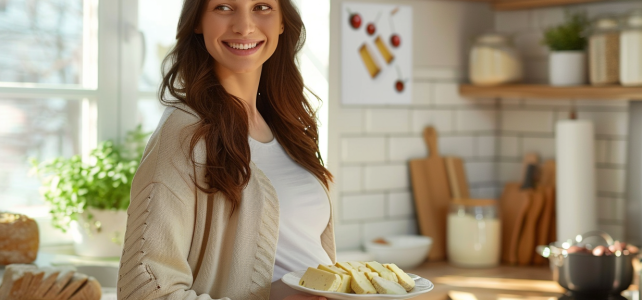
Pregnancy is a time when the future mother’s diet requires special attention. Cheeses, with their varied flavors, often form part of the culinary pleasures that are hard to set aside. Some of them may pose risks to the developing baby, such as listeriosis or toxoplasmosis. To continue enjoying this dairy delight without compromising health, specific recommendations must be followed. These tips include choosing pasteurized cheeses, avoiding soft varieties, and checking labels to ensure the quality and safety of consumed products.
Identification and management of risks associated with cheese consumption during pregnancy
Caution is essential for pregnant women when it comes to cheeses. Listeriosis and toxoplasmosis, formidable diseases for the fetus, are at the heart of the precautions to be taken. Raw milk, often a carrier of the Listeria bacteria, should be avoided. Soft cheeses with bloomy or washed rinds, as well as blue-veined cheeses, are among the prohibited items during pregnancy. Labels must be scrutinized to avoid any products that could harm the mother and child.
To consume cheese safely, pregnant women should prioritize cheeses made from pasteurized milk, as pasteurization eliminates the dangers associated with Listeria. Calcium, an essential nutrient, is abundant in cheese; therefore, it is necessary to include it in the diet of pregnant women. Vigilance must remain in place: ‘Can you eat Saint Nectaire while pregnant? The answer is no if the cheese is made from raw milk, yes if it is pasteurized.
The rind of cheeses is also discouraged, as it can be a breeding ground for bacteria. Fresh soft cheeses with natural rinds made from raw milk fall into the category of foods to avoid during pregnancy. Similarly, any accidental ingestion of risky cheeses should lead to a medical consultation for prompt management in case of contamination.
The risks are not limited to listeriosis. Salmonellosis, although less common, also poses a threat to the fetus. Suspect cheeses, if ingested, can lead to serious consequences, such as premature birth or, in extreme cases, fetal death. Informed of the dangers, pregnant women must therefore act with discernment and responsibility in their dietary choices.
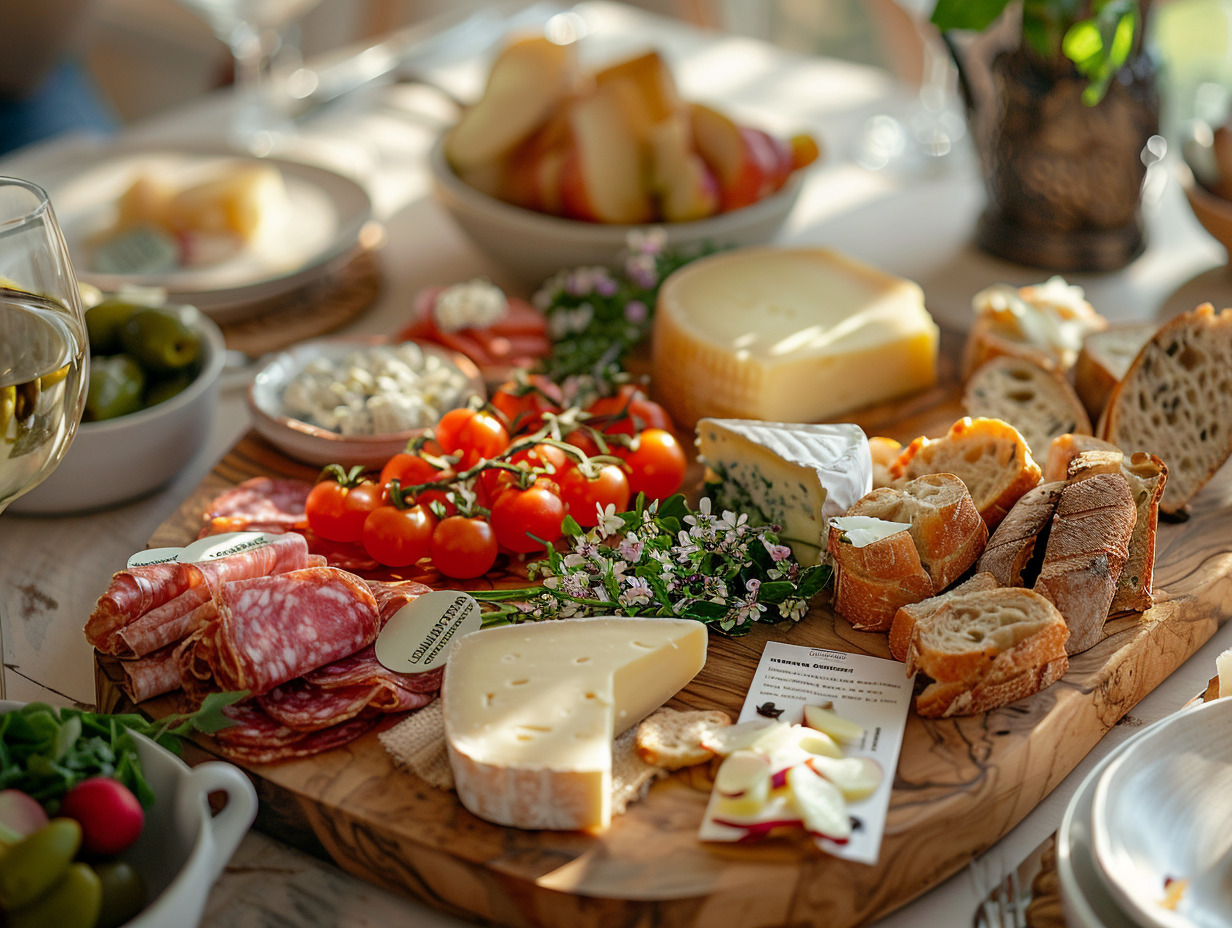
Guide to safe cheeses to consume and precautions for pregnant women
Choosing cheeses during pregnancy is not taken lightly. Hard cheeses, such as Gruyère, are generally allowed because their manufacturing process and low moisture content limit the risk of bacterial proliferation. These cheeses can be consumed without fear. Similarly, pasteurized soft cheeses and processed cheeses offer a safe alternative for pregnant women, provided their packaging and storage are impeccable.
Dairy products such as yogurts, probiotic drinks, fresh cheeses, quark, and fresh creams pose no danger to pregnant women, as long as they come from pasteurized milk. Their contribution of calcium and probiotics positively supports the nutritional balance of the mother and the healthy development of the fetus. These products can be integrated daily into the diet, while ensuring their freshness and expiration date.
Regarding specific cheeses, mozzarella and kiri, often appreciated for their mildness and convenience, are safe for pregnant women. Raclette, a friendly and popular dish, can also be included on the menu, provided that the cheese used is well pasteurized. Be sure to check labels and prioritize products with assured traceability and quality.