
Discovering the sex of your hamster can be crucial for providing an appropriate environment. The differences between males and females are not always visible at first glance, but a few tips can help you distinguish them easily.
One of the simplest methods is to observe the distance between the genital and anal openings. In males, this space is larger than in females. Another clue can be the presence of testicles, which are often visible in adult male hamsters. These indicators allow for a stress-free distinction for the animal.
Simple Techniques to Determine Your Hamster’s Sex
Identifying the hamster sex relies on careful observation methods and gentle handling. Sexing requires particular attention to the physical characteristics and behavior of the animal. Follow these steps for accurate results:
- Careful observation: examine the distance between the genital and anal openings. In males, this space is larger.
- Physical characteristics: look for the presence of testicles in adult males.
- Use a magnifying glass for better visibility, especially in dwarf hamsters.
Gentle Handling and Patience
To handle your hamster without stress, follow these tips:
- Gentle handling: hold the hamster carefully to avoid panic.
- Patience: take the necessary time to observe all the details.
Professional Assistance
If you have difficulty determining your hamster’s sex, do not hesitate to consult a veterinarian or a breeder. These professionals have the experience needed to perform accurate and stress-free sexing for the animal. Their expertise can be invaluable, especially for smaller hamster species like the dwarf hamster or the Roborovski hamster.
By adopting these techniques, you will be able to accurately identify your hamster’s sex and provide living conditions suited to its gender.
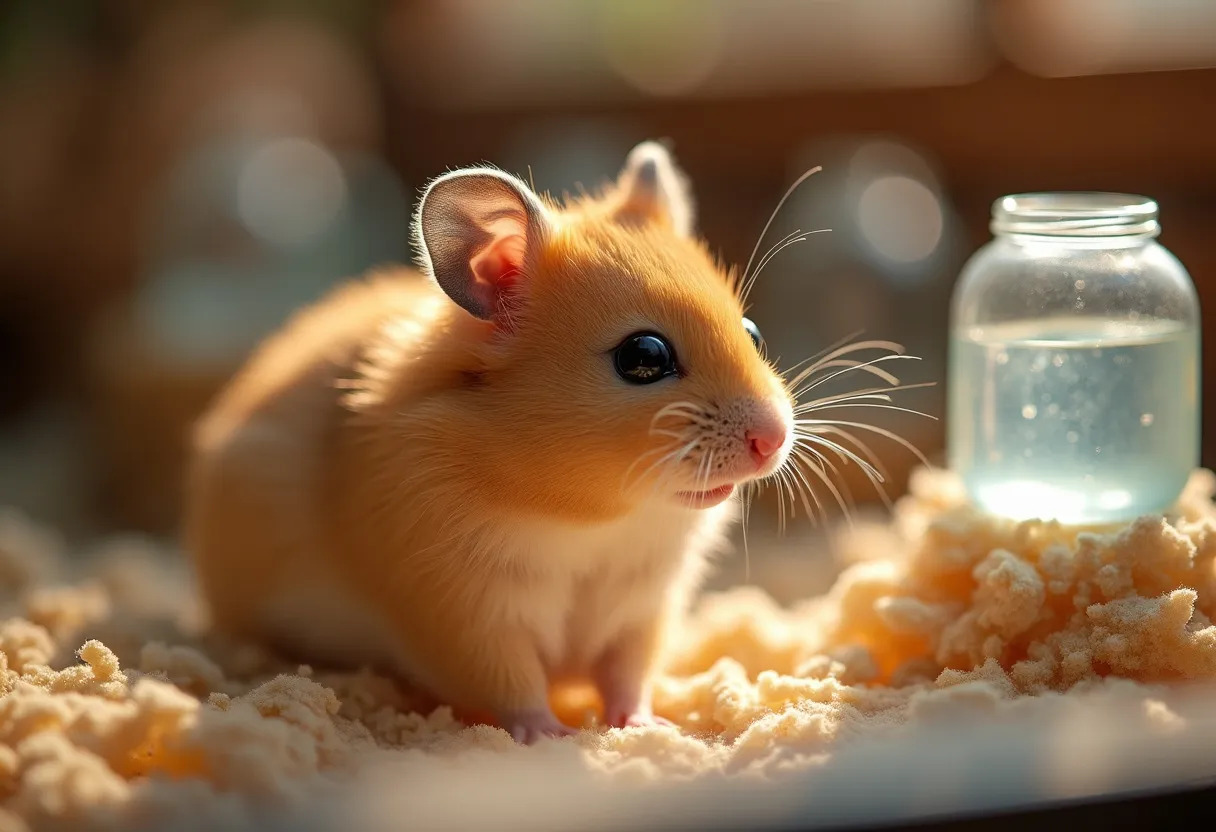
Practical Tips for Your Hamster’s Well-Being After Sexing
Ensuring your hamster’s well-being after sexing is essential. Adopt suitable practices to guarantee its health and comfort. Here are some recommendations:
- Habitat: provide sufficient and secure space. Hamsters need tunnels, wheels, and hiding spots to feel safe.
- Diet: provide a varied and balanced diet. Hamsters need seeds, fresh vegetables, and proteins to stay healthy.
Reproduction Management
If you are considering breeding, take precautions to avoid complications. The sexual maturity of hamsters occurs quickly, and the gestation lasts between 15 and 25 days.
- Gestation: increase protein intake during this period.
- Birthing: ensure a stress-free and calm environment for the female.
Postnatal Care
After birthing, the mother should be able to care for her young without interruption. Weaning usually occurs after three weeks. During this period, ensure that the mother and the young are safe and well-fed.
Find specific advice for each species of hamster, such as the Russian hamster or the Roborovski hamster, to tailor care to their particular needs. Follow these recommendations to ensure a healthy environment conducive to their development.