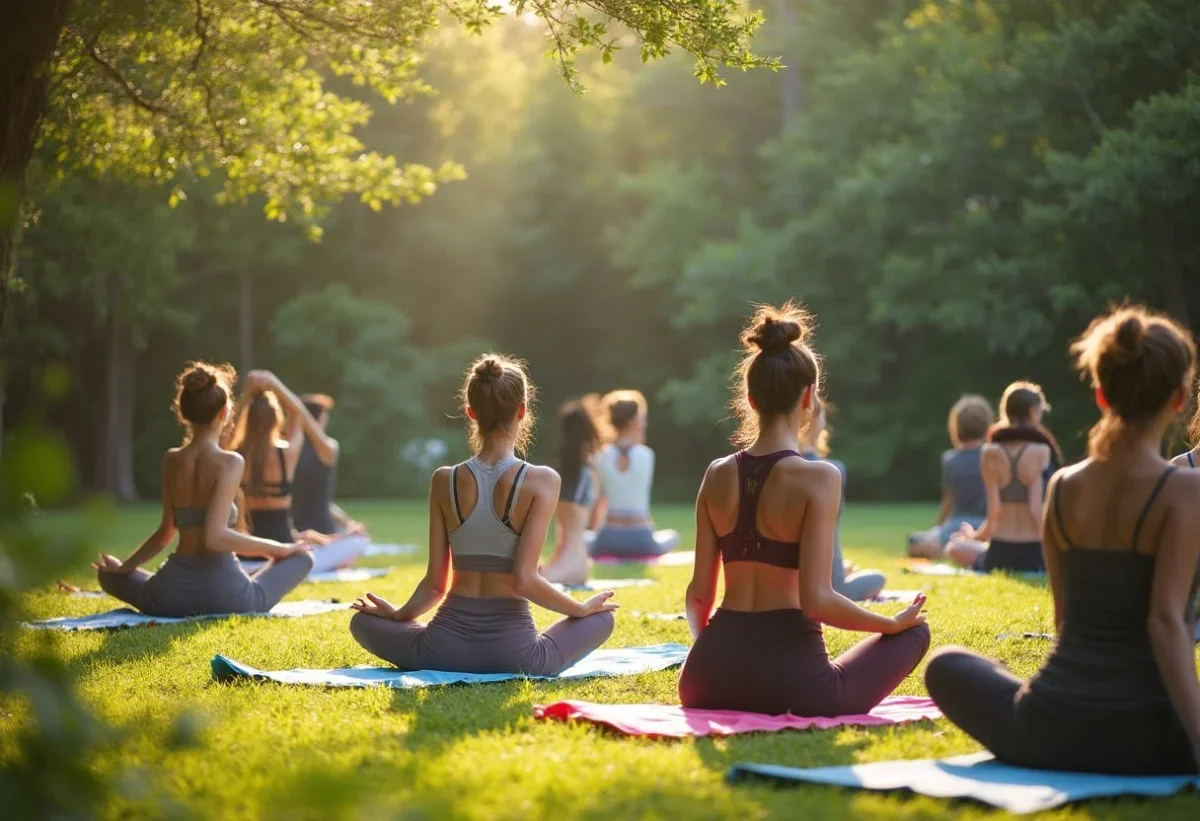
Pilates, a discipline increasingly valued in the world of sports and wellness, is recognized for its numerous benefits for both body and mind. Invented by Joseph Pilates, this method aims to strengthen the body deeply while improving posture, flexibility, and overall well-being. Accessible to everyone, Pilates easily integrates into a wellness routine and can be combined with other sports disciplines.
History and Evolution of the Pilates Method
Pilates is a physical conditioning method that uses specific exercises to strengthen the deep muscles of the body, improve posture, and develop better body awareness. Unlike other forms of exercise, Pilates emphasizes the quality of movement rather than the quantity of repetitions, thus promoting precise and controlled execution of movements.
Developed in the early 20th century by Joseph Pilates, the Pilates method, initially called “Contrology,” has evolved into a comprehensive discipline adopted by millions of people around the world. It is now practiced in many studios, such as pilates paris, and is integrated into the training programs of numerous high-level athletes.
Fundamental Principles of Pilates
Pilates is based on six fundamental principles: breathing, concentration, centering, control, fluidity, and precision. These principles are essential to maximize the effectiveness of the exercises and allow for a better mind-body connection. By focusing on these elements, practitioners can improve their posture, strength, and flexibility.
Impact on the Body and Muscles
Muscle Strengthening
Pilates targets the deep muscles, including the transverse abdominal, deep spinal muscles, and glutes. This deep muscle strengthening helps stabilize the trunk, supports the back, and improves posture. Pilates exercises also promote muscle toning without increasing their volume, which is ideal for those looking to sculpt their figure.
Improvement of Posture
By regularly practicing Pilates, one develops better body awareness, resulting in a noticeable improvement in posture. By strengthening the core muscles, Pilates helps maintain an upright posture and reduces pain associated with poor posture, such as lower back pain.
Flexibility and Balance
Pilates improves flexibility and balance, two essential elements for preventing injuries and enhancing overall mobility. Through fluid and controlled exercises, practitioners increase their range of motion and develop better proprioception.
Benefits for the Mind and Breathing
Relaxation and Stress Reduction
By focusing on breathing and mindfulness during exercises, Pilates promotes relaxation and reduces stress. It activates the parasympathetic nervous system, responsible for recovery and relaxation, thus helping to calm the mind while strengthening the body.
Body Awareness and Mind
Pilates encourages a better connection between the body and mind. By concentrating on each movement and synchronizing breathing with the execution of exercises, practitioners develop heightened body awareness that enhances their quality of life on a daily basis.
Breathing Techniques and Well-Being
Breathing is a central element of Pilates. By learning to breathe correctly, one not only improves physical performance but also overall well-being. Mastered breathing can help eliminate toxins, reduce anxiety, and promote a state of relaxation.
Pilates and Physical Health
Injury Prevention
Pilates is often used in functional rehabilitation due to its ability to strengthen muscles without excessive stress on the joints. It is particularly effective for preventing injuries, improving joint mobility, and reducing chronic pain.
Improvement of Overall Fitness
Practicing Pilates enhances overall fitness by increasing muscle strength, flexibility, endurance, and balance. After just a few weeks of regular practice, one can observe significant physical and mental transformation.
Adaptability of Practice for Everyone
Pilates is a discipline accessible to all, regardless of age or fitness level. It can be practiced at home, in a studio, or online, making this method extremely flexible and adaptable to individual needs. Tailored programs are available for both beginners and advanced practitioners.
Integrating Pilates into a Wellness Routine
Examples of Accessible Exercises
Here are some Pilates exercises accessible to everyone:
- The Hundred: an emblematic exercise to strengthen the abdominal muscles.
- The Swan: ideal for improving spinal mobility and strengthening the back.
- The Teaser: targets the core and improves balance.
Pilates as a Complement to Other Sports Disciplines
Pilates perfectly complements other activities such as yoga, weight training, or running. It can help improve performance in other sports by strengthening the core and enhancing flexibility and posture.
Recommendations for Regular Practice
To get the most out of Pilates, it is recommended to practice regularly, ideally two to three times a week. Programs like those offered by specialized apps or studios such as pilates paris can help structure the practice and maintain motivation.
Pilates is a comprehensive method that offers considerable benefits for both body and mind. Whether to improve fitness, reduce stress, or simply feel better in one’s body, Pilates remains a valuable and accessible discipline for all.